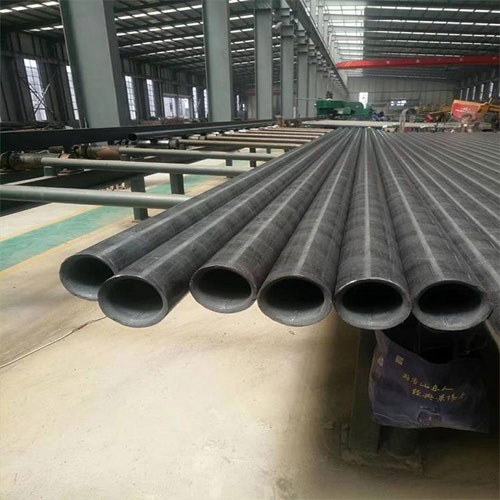
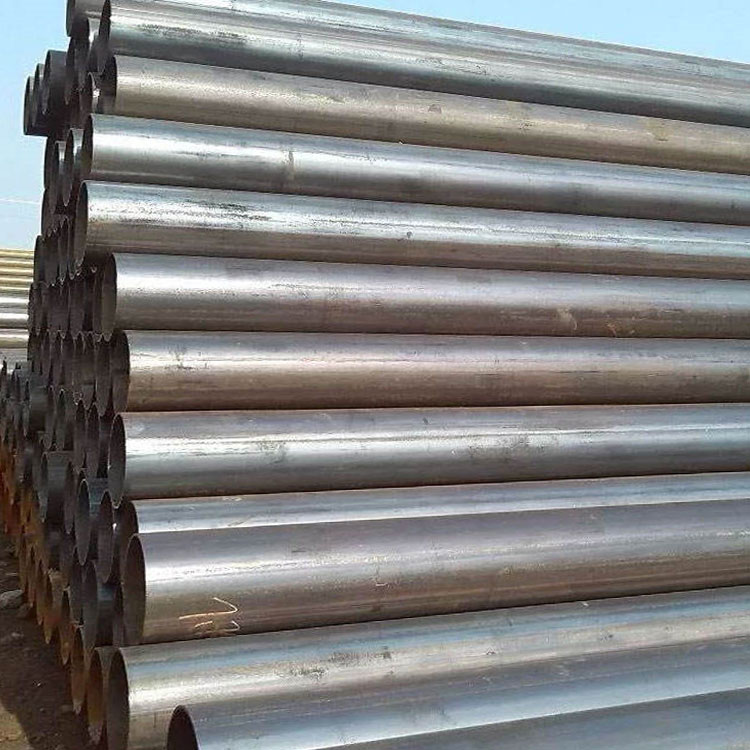
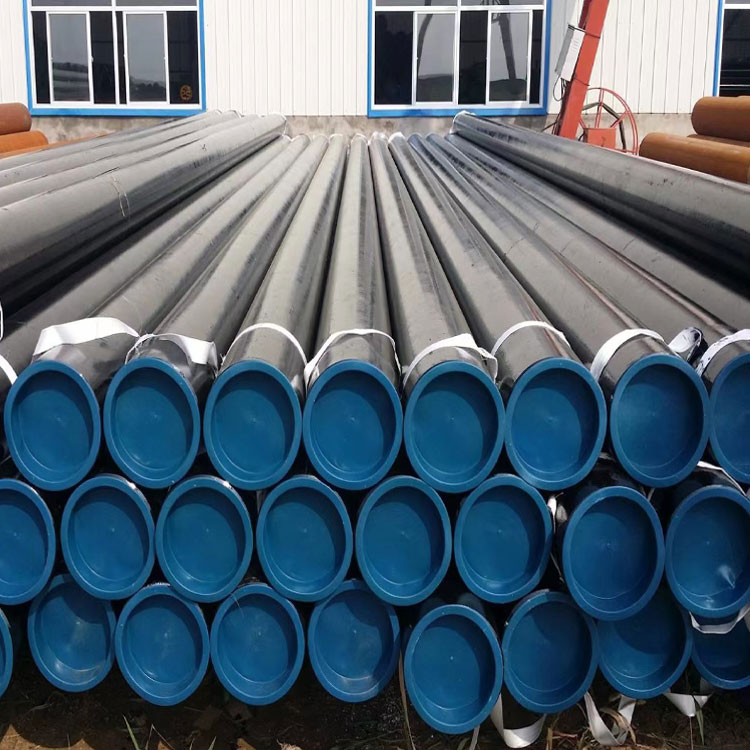
In every oil and gas well, the drill bit opens the hole but the petroleum casing pipe is what makes the hole usable and safe to produce. Casing is the steel pipe run into the wellbore and cemented in place to isolate the reservoir from other formations, support the wellbore wall and contain the pressure of drilling and production fluids. It is the backbone of well integrity — from the surface string that protects fresh water to the production casing that lands the pay zone. Petroleum casing pipe is supplied as Oil Country Tubular Goods (OCTG) to API Spec 5CT (harmonized with ISO 11960), across a full grade ladder from H40 to Q125.
Casing is the permanent, cemented tubular that lines the wellbore. After a section is drilled, casing is run to depth and cement is pumped through it and up the annular space to the previous casing or to surface, sealing the formation behind the pipe. This isolates freshwater sands, prevents the wellbore from collapsing, and lets the operator control pressures as they drill deeper. A typical well uses several concentric casing strings — conductor, surface, intermediate and production — each selected for its own load case. Petroleum casing pipe is the generic term for the API Spec 5CT casing used across all of these strings in oil and gas service.
The grade of petroleum casing pipe is chosen from the well’s burst, collapse and tension design. As loads rise, the grade moves up the API 5CT strength ladder:
| Grade | Yield (psi) | Min. tensile (psi) | Sour-service? | Typical role |
|---|---|---|---|---|
| J55 / K55 | 55,000–80,000 | 75,000 | No | Shallow / surface strings |
| N80 | 80,000–110,000 | 95,000 | No | Intermediate / production |
| L80-1 | 80,000–95,000 | 95,000 | Yes | Sour-service sections |
| C90 / T95 | 90,000–105,000 / 95,000–110,000 | 100,000 / 105,000 | Yes | Sour / HPHT wells |
| P110 | 110,000–140,000 | 125,000 (862 MPa) | No | High-tension / deep sections |
| Q125 | 125,000–150,000 | 135,000 | Type 2/3/4 yes | Ultra-deep / highest-load |
Petroleum casing pipe is joined by threaded-and-coupled connections machined to API Spec 5B:
Petroleum casing pipe is produced on the API Spec 5CT outside-diameter series, from 4-1/2 in (114.3 mm) up to 36 in (914.4 mm). Surface and conductor strings run at the large end; intermediate and production strings are most often 7 in, 9-5/8 in, 13-3/8 in and 20 in. Both R2 (single) and longer R3 (10.36–14.63 m) joint lengths are available, with R3 favored where fewer connections reduce running time and tension-critical joints.
Petroleum casing pipe is ordered to PSL-1, PSL-2 or PSL-3. Each level is documented by an EN 10204 Type 3.1 mill test certificate covering chemistry and mechanical properties:
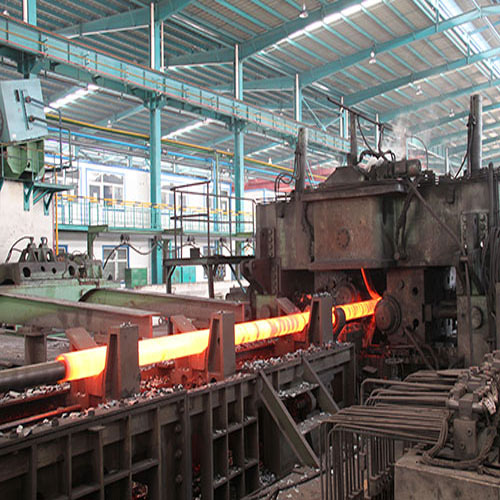
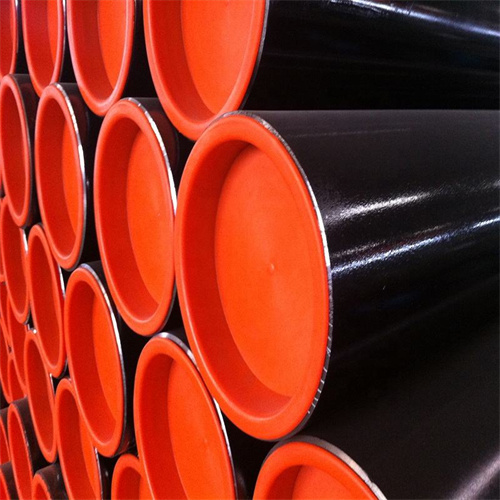
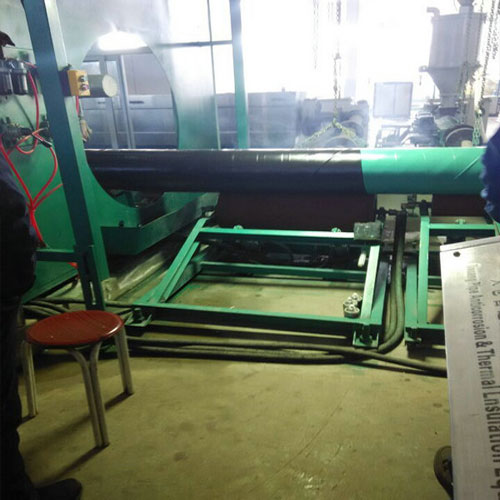
Casing is produced as seamless pipe (hot-rolled from solid billet), the dominant form where pressure integrity and homogeneity over long lengths matter. Quality controls across the PSL levels include full-section tensile testing, hydrostatic pressure testing and drift testing on every joint, thread gauging per API Spec 5B, and non-destructive testing (UT, MPI or eddy current) as ordered. API-monogrammed marking and thread protectors are fitted on both ends, and third-party inspection (SGS, BV, TÜV or the buyer’s agency) is available on request.
GNEE supplies API Spec 5CT / ISO 11960 petroleum casing pipe across the full grade ladder — J55, K55, N80, L80, C90, T95, P110 and Q125 — in seamless form with STC, LTC or BTC connections and PSL-1/PSL-2/PSL-3 documentation. Indicative FOB China pricing for API Spec 5CT petroleum casing pipe generally ranges from about US$900 to 2,000 per ton, depending on grade, size, wall thickness and PSL level, and moves with steel market conditions. Standard grades and sizes typically ship in 20 to 45 days; quenched-and-tempered or impact-tested grades and large diameters can require the longer end of that window. Firm quotations follow the specification and order volume, with CIF/CFR terms available on request.
Petroleum casing pipe is the steel pipe that lines the wellbore in oil and gas wells. It is run and cemented in place to isolate the producing zone from other formations, support the wellbore wall, and contain the pressure of drilling and production fluids. Supplied as Oil Country Tubular Goods (OCTG) to API Spec 5CT (harmonized with ISO 11960), it ranges from surface and intermediate strings down to the production casing that lands the reservoir.
Petroleum casing pipe is produced across the API 5CT strength ladder. Lower-load strings use H40, J55 and K55; conventional programs use N80 and L80; sour-service wells use L80-1, C90 and T95; and high-load or deep sections use P110 and Q125. Grade selection follows the well’s burst, collapse and tension design. Note that P110 is not a sulfide-stress-cracking-resistant grade; for H2S service, C90, T95 or a sour-service Q125 should be specified per NACE MR0175 / ISO 15156.
STC (short round thread), LTC (long round thread) and BTC (buttress) are the three API Spec 5B threaded-and-coupled connections for casing. STC and LTC are round-thread types used across most casing programs; BTC provides joint strength approaching 100% of the pipe body and is preferred for high-tension strings. Premium (proprietary) metal-to-metal-seal connections are used where gas-tight sealing or HPHT conditions govern.
Casing is the permanent, cemented pipe that lines the wellbore from surface to depth and bears external loads; petroleum casing pipe is supplied in outside diameters from 4-1/2 in to 36 in. Tubing is the smaller, removable pipe (commonly 1.05 in to 4.5 in OD) that carries produced oil and gas to surface and is conveyed on a workover rig. Both are API Spec 5CT products, but they serve different functions and are not interchangeable.
Petroleum casing pipe is ordered to PSL-1, PSL-2 or PSL-3. PSL-1 is the baseline; PSL-2 adds controls such as impact (Charpy V-notch) testing and tighter chemistry and flaw limits; PSL-3 adds further tests and verification, including supplemental non-destructive testing, used for critical wells. Each level is documented with an EN 10204 Type 3.1 mill test certificate.
Indicative FOB China pricing for API Spec 5CT petroleum casing pipe generally ranges from about US$900 to 2,000 per ton, depending on grade, size, wall thickness and PSL level, and moves with steel market conditions. Standard grades and sizes typically ship in 20 to 45 days; quenched-and-tempered or impact-tested grades and large diameters can require the longer end of that window.
Send your petroleum casing pipe requirements — outside diameter, wall thickness or weight per unit length, grade, connection, PSL level and quantity — and our technical team will return a firm quotation with lead time and shipping terms. For the full casing and tubing range and size chart, see the Oil and Gas Casing and Tubing product page.