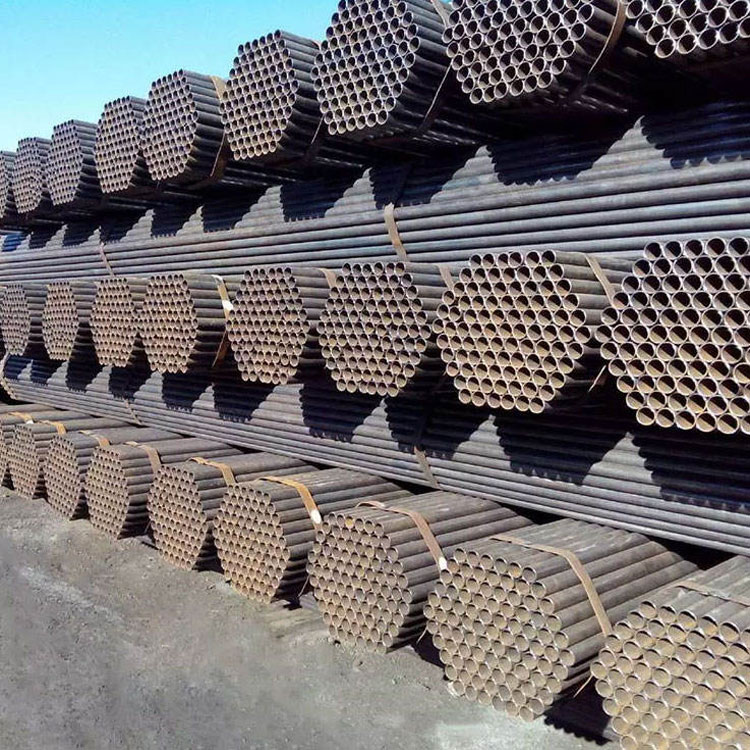
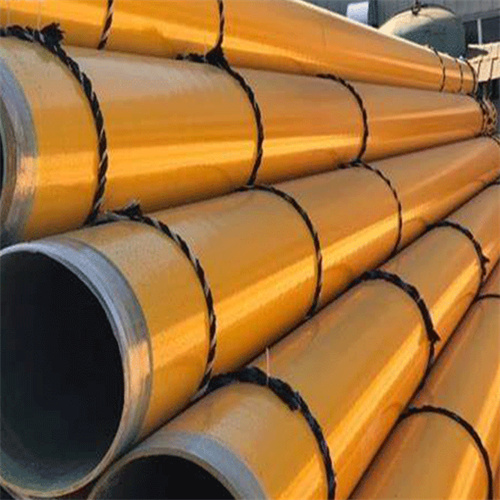
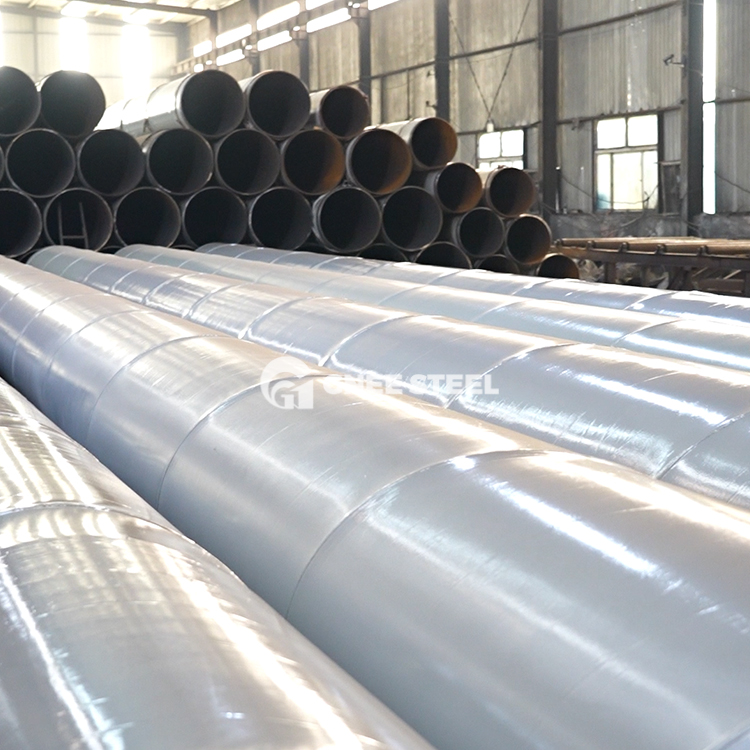
Fire-rated galvanized steel pipes are pipes made by coating a layer of zinc onto the surface of a steel pipe base. They are mainly used for water supply, gas supply, and foam extinguishing media transportation in fire protection systems. Their core function is to utilize the corrosion resistance of zinc to protect the steel pipe from moisture, atmospheric damage, and weak acids and alkalis, ensuring reliable water delivery during a fire.
Basic Characteristics of Fire-Fighting Galvanized Steel Pipes
Fire-fighting galvanized steel pipes are ordinary steel pipes coated with a layer of zinc through hot-dip or electroplating processes. This process mainly brings the following characteristics:
Improved corrosion resistance. The zinc layer forms a dense protective film on the steel pipe surface, effectively isolating the steel pipe substrate from direct contact with air, water, and other media, thereby slowing down the corrosion process and extending the service life of the pipeline. This advantage is particularly evident in humid or corrosive environments.
Sufficient mechanical strength. The steel pipe itself has high pressure resistance and mechanical strength, capable of withstanding the working pressure required by the fire protection system as well as certain external impacts and loads, ensuring the structural integrity of the pipeline during installation and use.
Mature technology and reliable connections. Galvanized steel pipes can be connected by threaded connections, grooved connections, or flange connections. These connection technologies have been proven through long-term practice, offering good sealing performance, and the installation process is relatively mature and standardized.
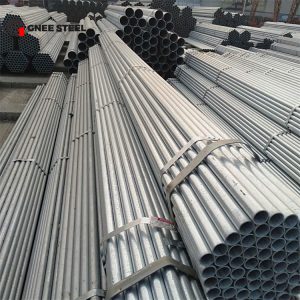
Applications:
1. Indoor fire hydrant system. Serving as the main and branch pipes connecting the fire water source to the indoor fire hydrant box, responsible for delivering fire-fighting water to each fire hydrant location.
2. Automatic sprinkler system. Used to form the piping network of various automatic sprinkler systems, such as wet, dry, and pre-action systems, delivering water to sprinklers installed on ceilings or walls.
3. Fire monitor system. In some large spaces, serving as the water supply pipeline for fire monitors.
4. Other fire water supply links. Such as the suction and discharge pipes of fire pumps, and the connecting pipes to fire water tanks, etc.